Better late than never?
Two weekends ago I was in Tucson, Arizona. As I read reports of 120 degree flight-cancelling weather in Arizona this week, I was SO GRATEFUL that it was a mere 104 degrees when my college friends and I were there.
We were up from sunrise to sundown…

One early morning, we drove to Mission San Xavier del Bac, also known as the White Dove of the Desert. Situated on the Tohono O’odham Reservation, this Spanish Colonial building rises up like a miraculous white apparition in the middle of the desert.


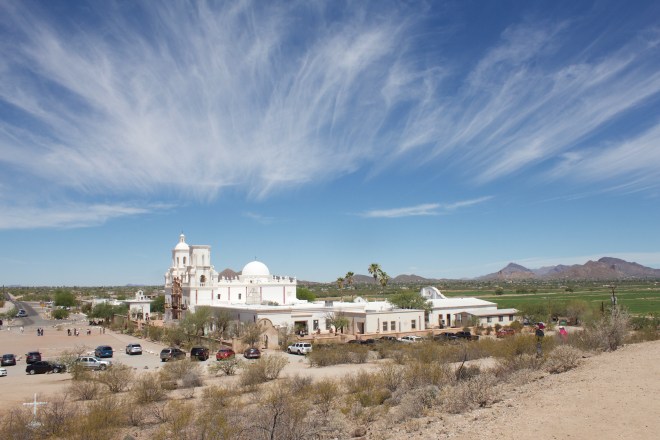 The Mission was founded in 1692 by Father Eusebio Kino, a Catholic missionary of Italian descent, but the original mission was destroyed in an Apache raid. Eventually, Spanish Franciscans took over the Mission and the present building was built in its place between 1783 and 1797. Today it is an active parish that is still run by Franciscans and continues to serve the Tohono O’odham tribe for and by whom it was originally built.
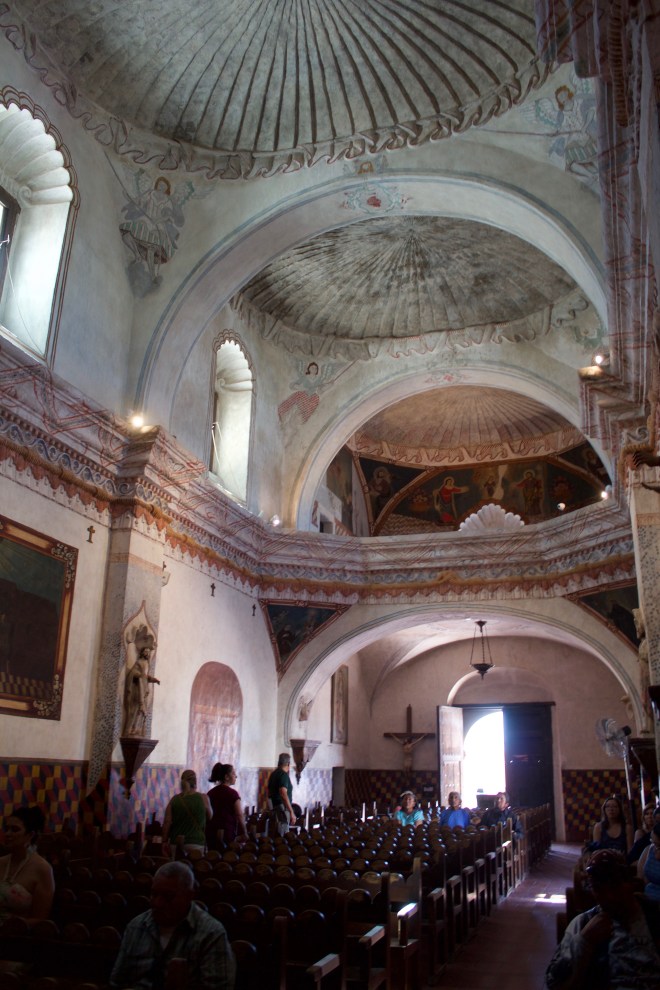
It is a constant battle and labor of love to maintain the Mission, which is buffeted by a harsh and punishing climate. A film playing on endless loop in a side room at the Mission documents the latest major renovation that happened over five or six years in the 90s, when it was discovered that the cement used to stucco over the exterior was absorbing and trapping water. All of the cement had to be picked away and replaced. The conservators consulted with artisans in Mexico who taught them how to make the more breathable stucco that had originally coated the church. I was fascinated to learn that the recipe calls for just sand, lime, and the juice of prickly pear cactus! The emergency repairs to the exterior were just the beginning…
Tim Lewis was a young man from the Tohono O’odham Reservation who was drifting from job to job, doing drugs, and drinking too much when a call was put out for apprentices to begin work on a major interior restoration. Like many a father of wayward sons, his dad urged him to go out and get a job. Lewis showed up at the Mission without a resume and without any guile:
I told them I couldn’t paint, I had no art background at all and I didn’t even like art in school…I told them I hated school and I didn’t know why I was there, and I wasn’t even qualified for this at all. (Tim Lewis is quoted in Cindy Somers’ “San Xavier Restoration” article in Tucson Citizen)
In what I think can only be ascribed to some sort of divine miracle – he was hired.
Lewis says that working on the Mission saved his life. He got clean and sober. He gained a sense of purpose to his life. Eventually, the Mission led him to love. He was sent to Europe to learn from professional conservators. On his first day in Salzburg, he met Matilde Rubio, a conservator from Spain. With obvious love in his voice and a small smile playing on an otherwise impassive face he says, “If I hadn’t met you, I wouldn’t have ever married anyone.” Rubio moved to Lewis’ village where they married and together they rejoined the crew working on the Mission. The two now travel together and work side by side on restoration projects around the world



Saint Kateri Tekakwitha (1656-1680), the first Native American saint in the Roman Catholic Church.
The art of conservation is as an act of devotion. The conservator must never assert his or her own artistry, but rather must try to understand and recreate the original artist’s vision. This guiding principle necessitates the renunciation of ego and painstaking labor. To restore peeling frescoes, for example, a dot of adhesive was painstakingly applied by syringe behind each tiny flake of paint, until it absorbed the glue and relaxed back into the wall. The story of humans fighting against the elements and the march of time to protect and maintain a thing of beauty strikes me as a love story for the ages.








 The gardens were filled with cactus and wildlife…
 Here’s a fun fact! Those iconic saguaro cactus can live for hundreds of years. They don’t grow their first arms until they reach about 70 years old. We saw birds feasting on ruby wreaths of fruit that crowned the tops of some of them. Birds nested in holes in the sides of the cactus.
 …which just goes to show you that you can find a home in the unlikeliest of places.




 We cooled ourselves off in the bistro with Arnold Palmers mixed with pink prickly pear lemonade…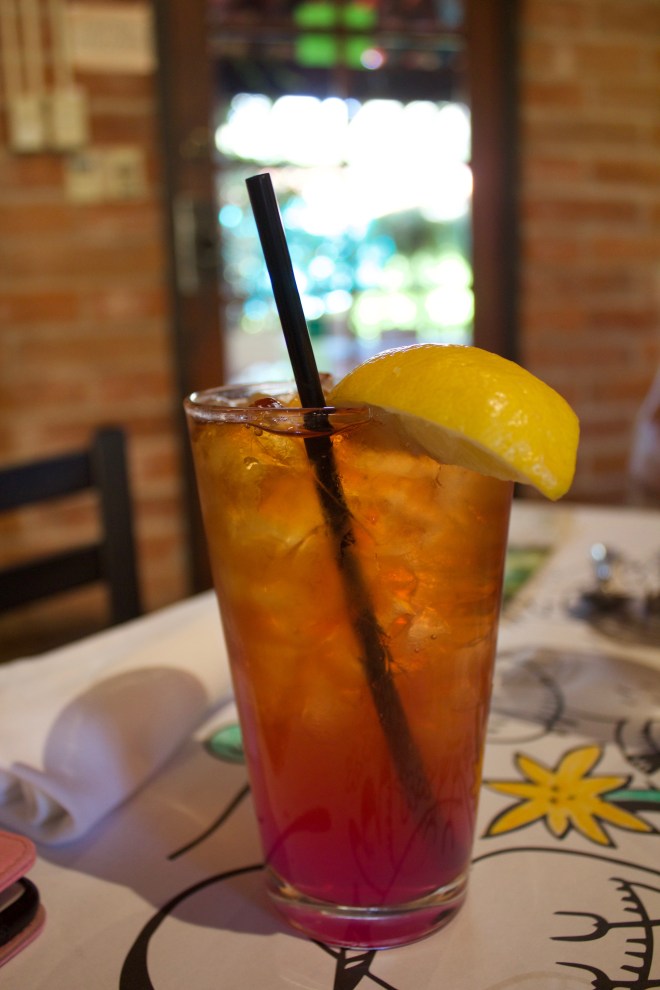

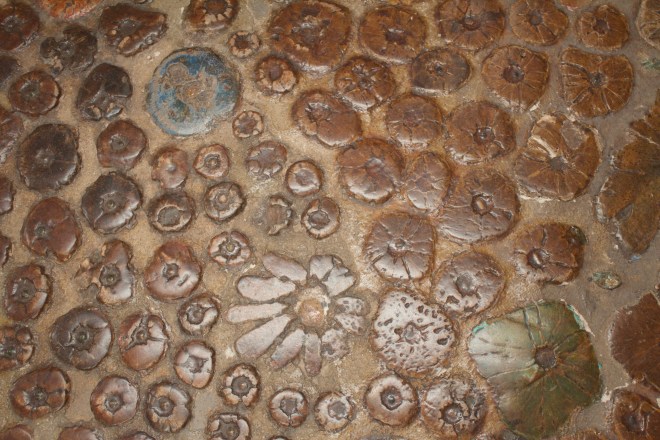
 The cactus courtyard was filled with an unearthly, metallic thrumming.
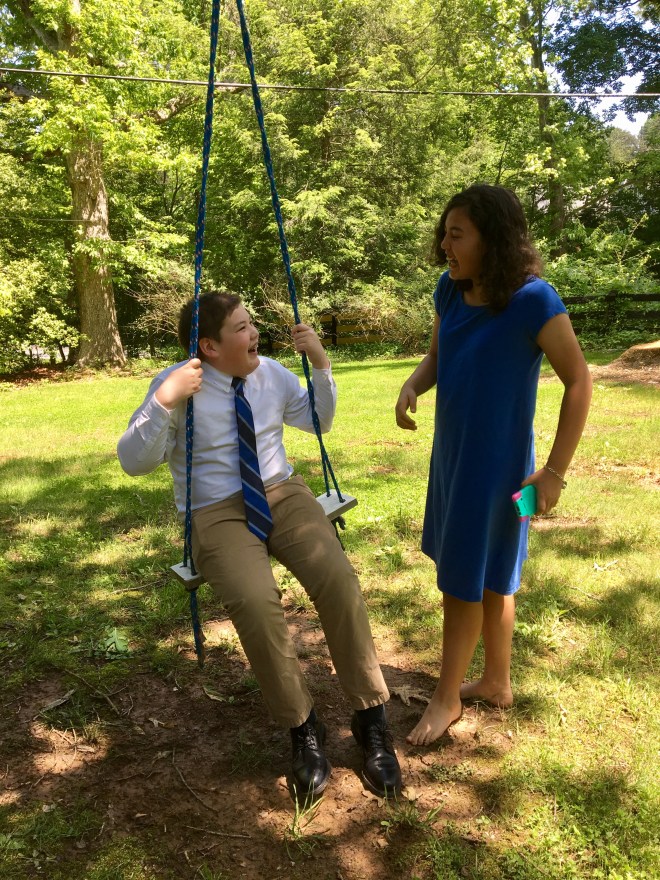
 We were celebrating the 12th birthday of their daughter. Our girls met each other as toddlers in the
  When I was a child, my family blew around from town to town like tumbleweeds, wherever the winds and my father’s schooling or career took us. At my daughter’s age, I had moved six times and had never been in one place long enough to make lasting friends.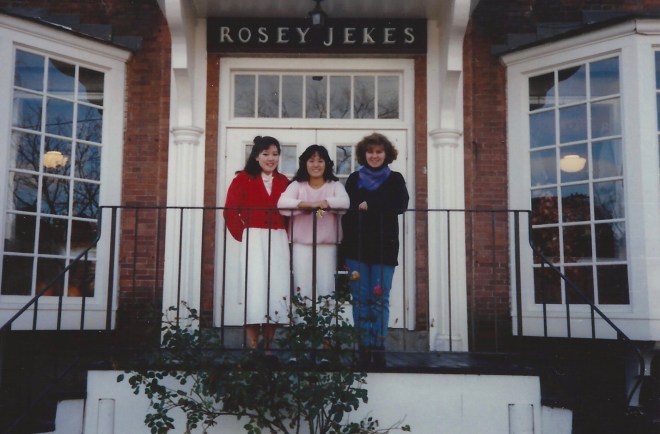



 Last year a couple of fat groundhogs moved into our backyard. I wasn’t too concerned about this development until I saw the deep burrows they made under the barn and run-in shed. Internet research alerted me to the fact that these burrows can undermine the foundations of structures to the point of collapse.



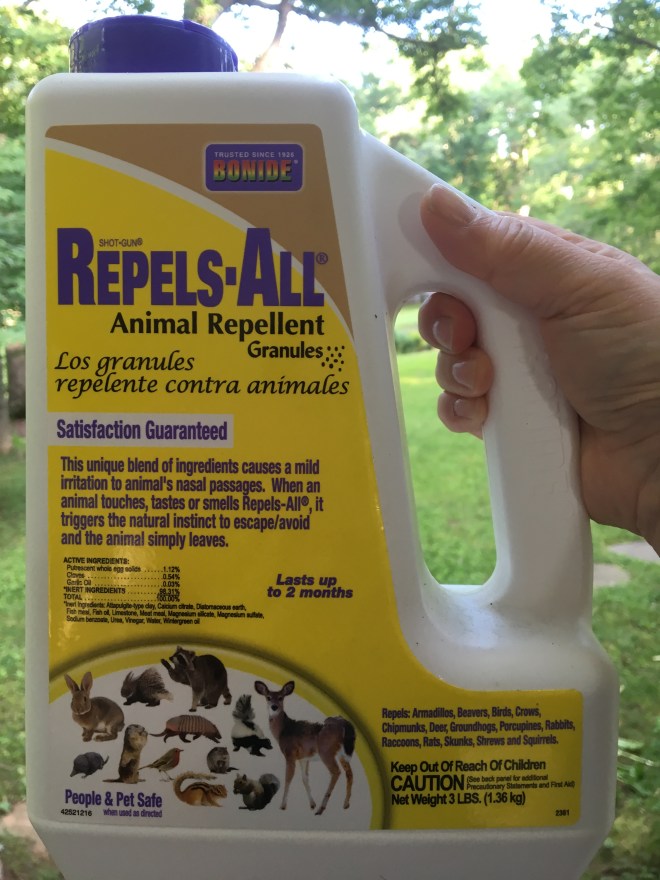 He chuckled as he pointed out the claim that “the animal simply leaves.”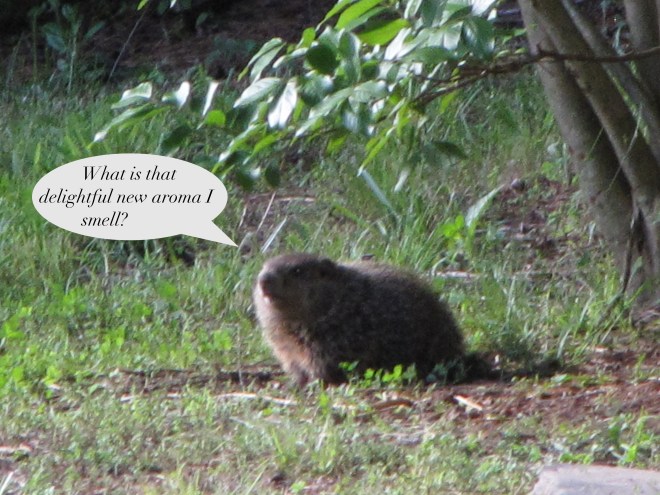

 It’s been a stressful few weeks. I’ve been waking up repeatedly in the middle of the night for no good reason at all and have been finding it hard to get back to sleep. When I finally surrender to the day and get out of bed for good, I find I have to unclench my aching jaws.







 and then to “Anniversary Row.”
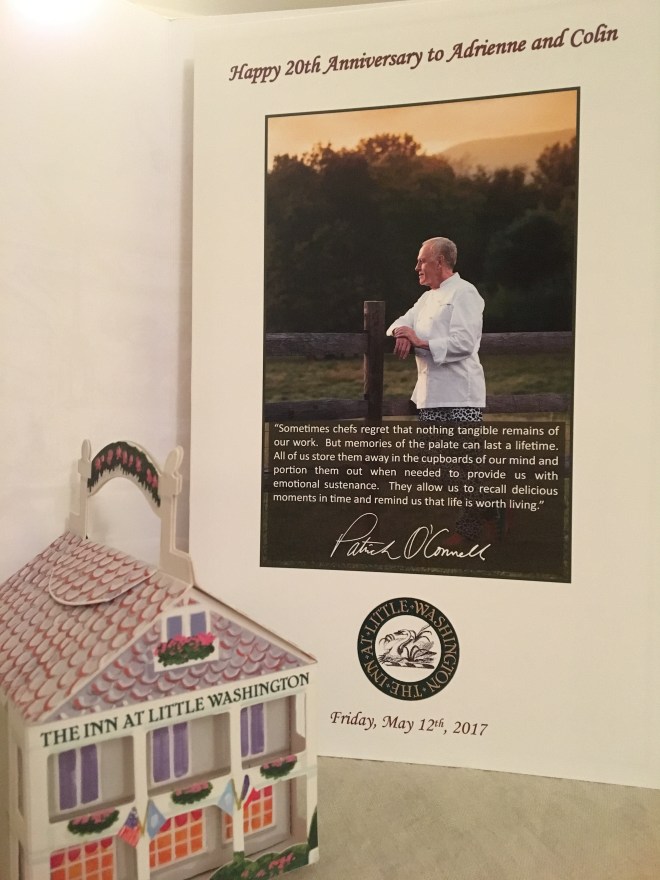









 o wonderful, wonderful